

My Watch Journey
Tomorrow's auction with Loupe This marks the beginning not the end.

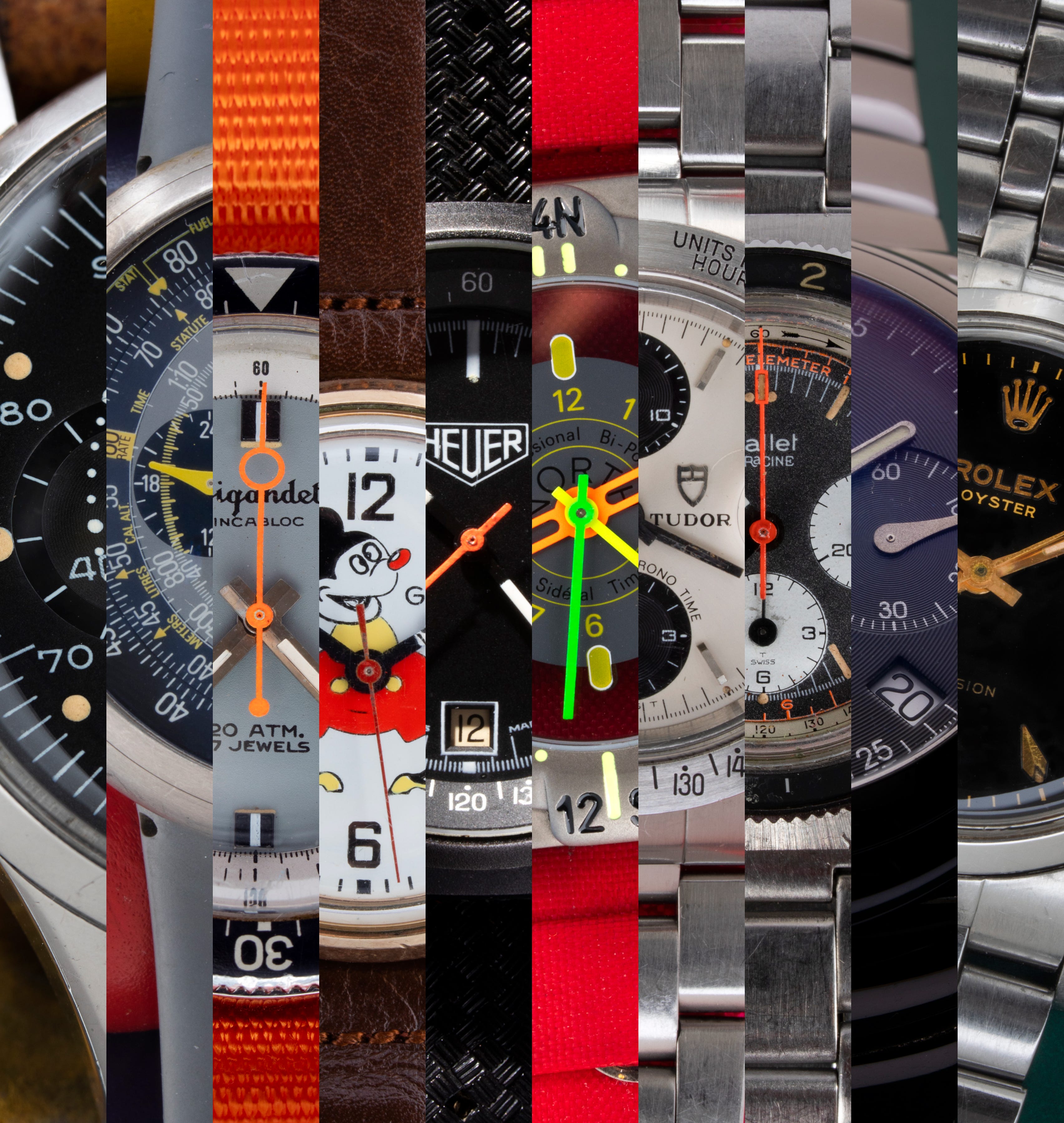
For my entire adult life I’ve been obsessed with one thing more than art and design: vintage tool watches from the 1950s-1980s. This passion has led me to a point where I have a LOT of watches and I decided a few months ago to let some of them out of my safe and into the wild. I’m honored that Eric Ku agreed for his online auction house Loupe This to do the hard work. Though my journey tracking these watches down was a joy and many of them will be missed, my loss is your gain. All the info about the 40 watches being sold (the first 8 of which close tomorrow, followed by 8 each for the 4 days after) is included below. To commemorate this event I’ve written a little essay about my life with watches—the why, when and how I ended up with so many timepieces. Since I know these watches intimately, if you have questions about anything, please don’t hesitate to reach out.
My Watch Journey
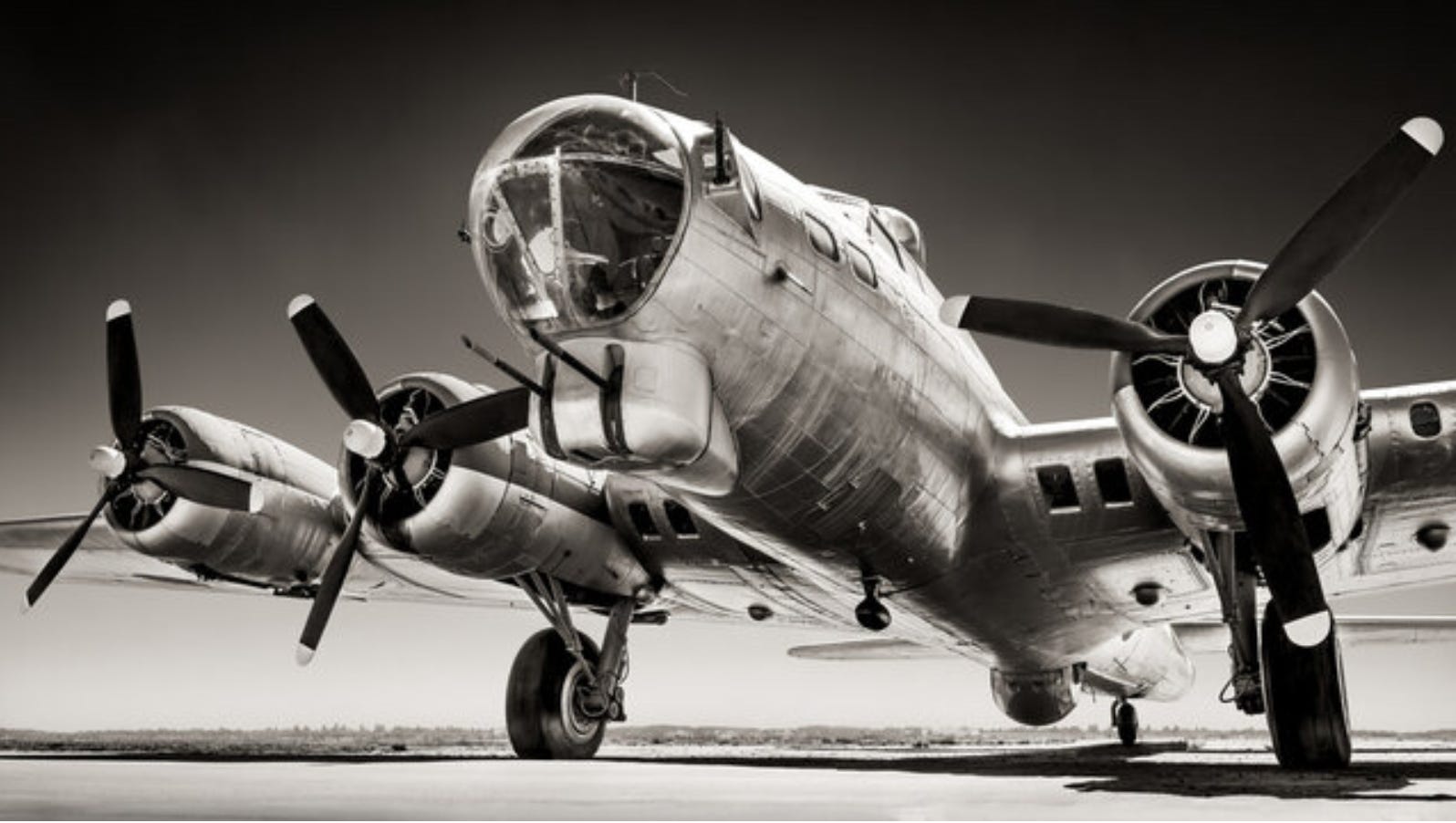
My grandfather Marion (we called him Paw-Paw) was a photographer for the US Army Air Forces and photographed all the war planes of the era. He made composite photos with the top-secret bits airbrushed out, to be used for what was basically public propaganda in America for the war effort. His stories and photographs, which I still have, were an early influence on my love of aircraft that would later morph into a love for the timepieces that WWII pilots used during and after the war.
Paw-Paw died when I was eleven, and from that moment I always hoped to find a watch of his. He would have mostly taken pictures from aircraft with special cameras and certainly would have had a watch for timing these flyby events. But because Paw-Paw was developing all his own photographs, and the chemicals were so harsh, the story goes that they even dissolved his wedding ring, so he got used to not wearing a watch, unfortunately for me!
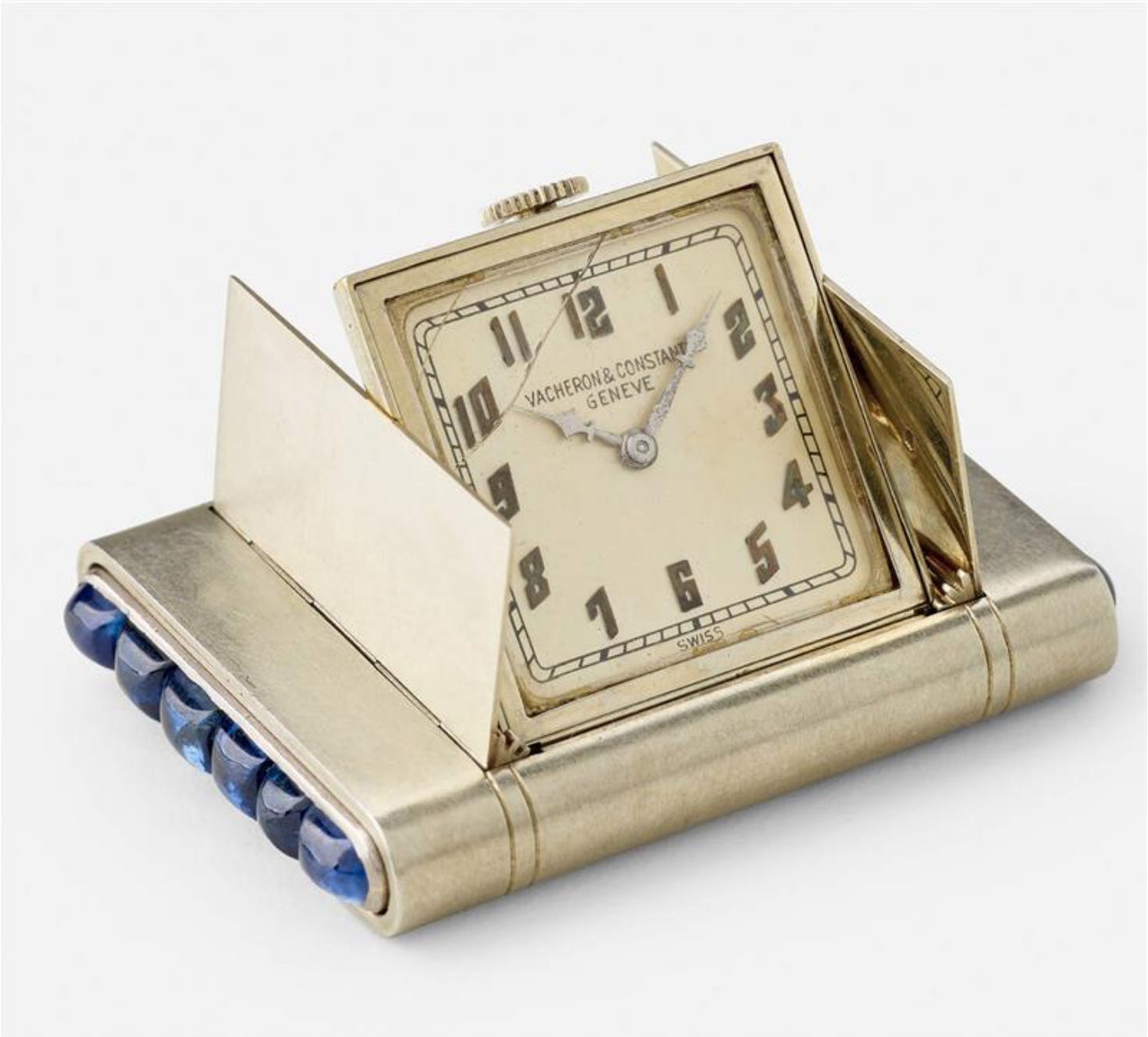
Marion’s brother Henry, my great-uncle “Hinky,” was a banker for J.P. Morgan in Manhattan in the 1930s and later turned to landscape architecture in South Carolina, notably designing the Clemson campus. After his death, while cleaning out his personal belongings, I found a Vacheron Constantin moon phase travel watch — literally in his sock drawer — which was a fascinating object: so small, so mechanical, so precise, and fine. This find led me to hunt for more pieces like that.
Because of my love for old things from a very early age, I was always hunting in my grandparents’ attics and closets for cool things and especially for watches, but I never found anything of any significance other than the VC.
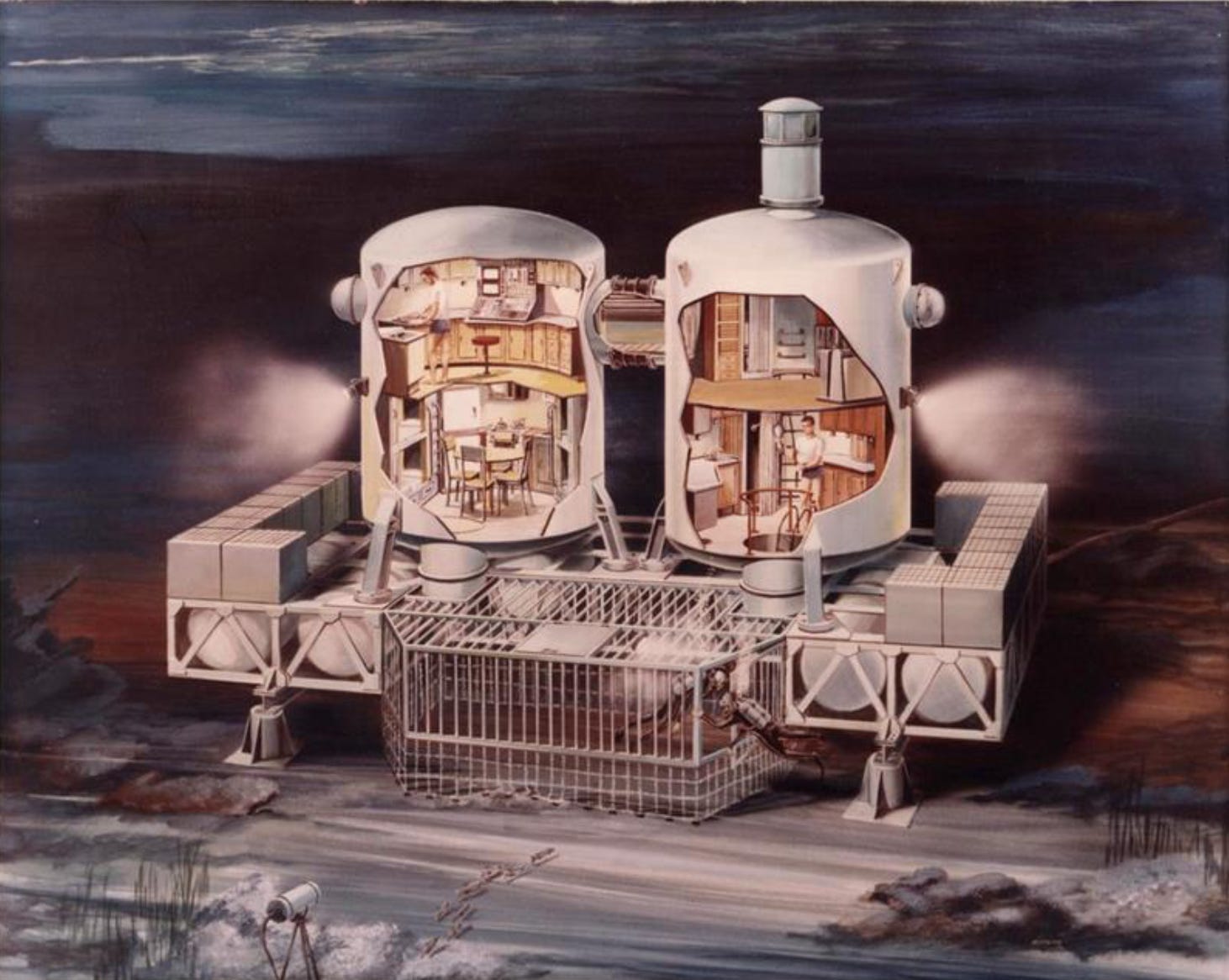
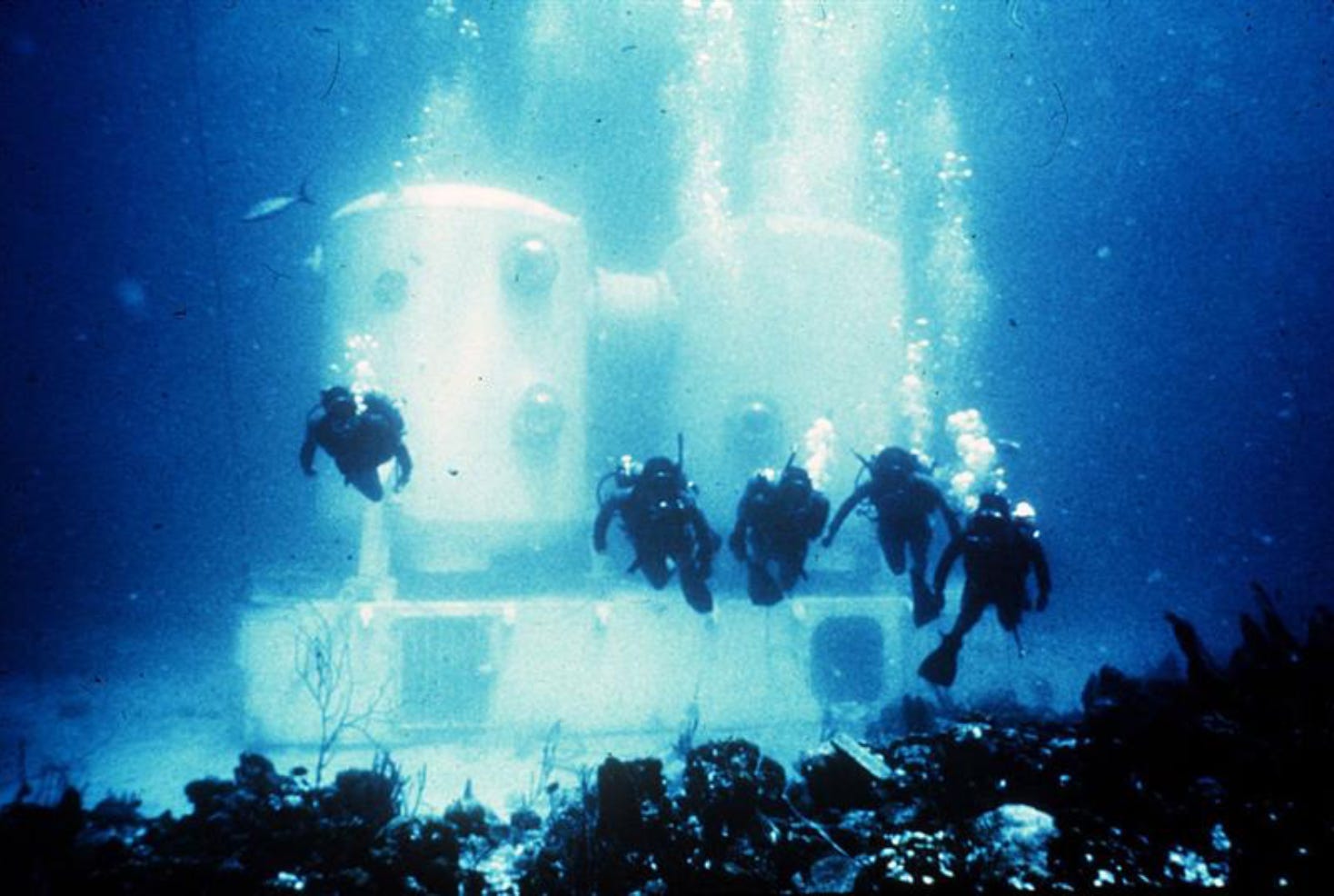
My dad is a marine biologist who worked for the Environmental Protection Agency (EPA) in a lab on a tiny island off Pensacola Beach, so scuba diving and snorkeling were a constant in his life through the late 1960s and ‘70s. He was even a support diver for the all-female diving mission Tektite II in the US Virgin Islands. This was exciting to a five-year-old and got me into snorkeling. I’ve asked my dad where his dive watches are from that period, but, unfortunately, he doesn’t remember. He never was much of a watch wearer, unless it was a cheap Casio for running, so I didn’t get lucky in the “Dad’s Rolex” department like some of my friends.
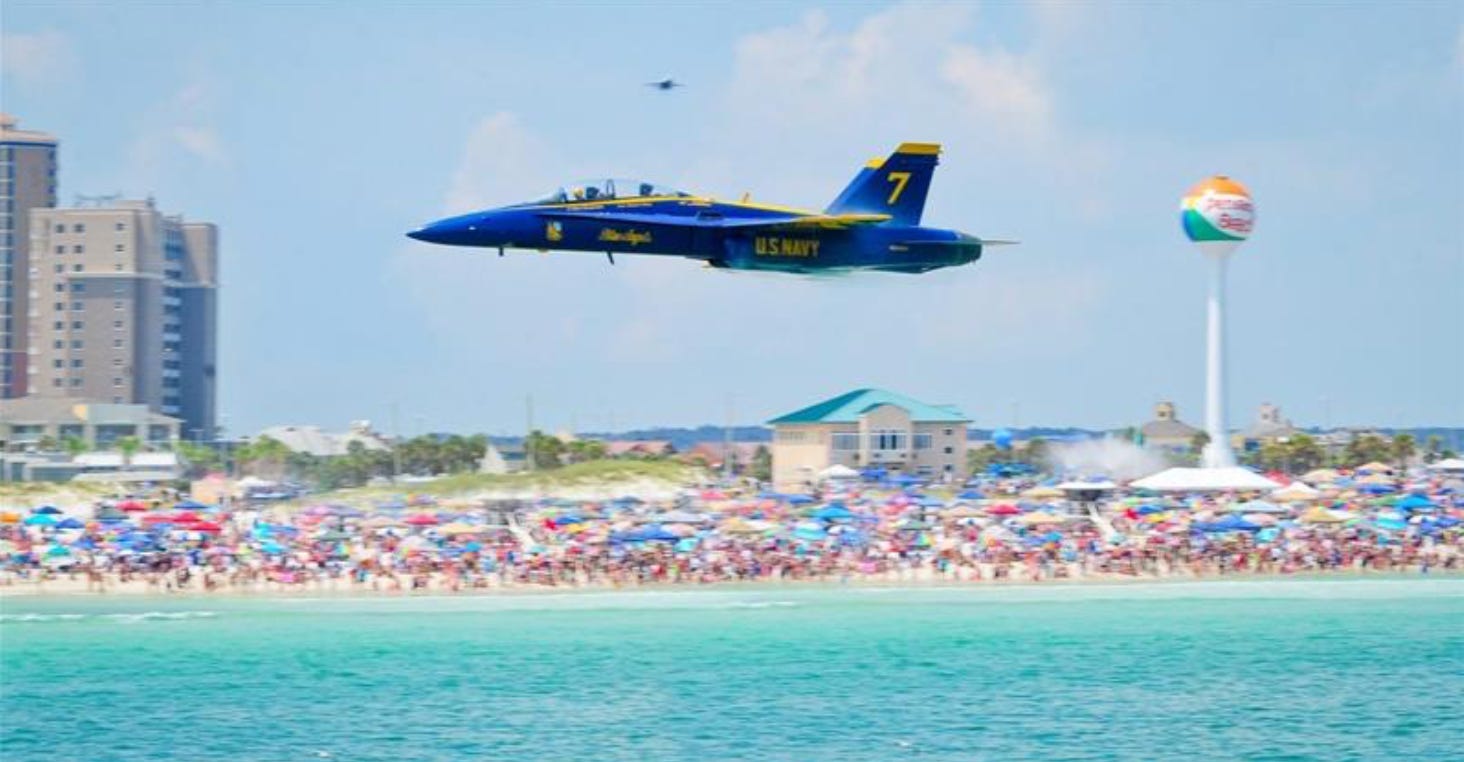
Growing up in Pensacola, Florida, the cradle of Naval Aviation where anyone in the military other than the Air Force learns to fly, I was exposed to flight and amazing aircraft that we would routinely see overhead. The Blue Angels, the Navy’s demonstration squadron, are based there, and they were always inspiring to see. I loved the complicated nature of the chronographs that most pilots wore at the time. Remember, this was before iPhones, so your watch was your tool, and a very important one for both flight and diving. It could literally save your life. During this time, you didn’t wear a Rolex Submariner because you liked the way it looked, as we do today, but because it could get wet while diving. These watches were tools, and I continued to be drawn to that aspect as I got further into art and design, appreciating how much went into making these watches function in extreme conditions while also looking great.
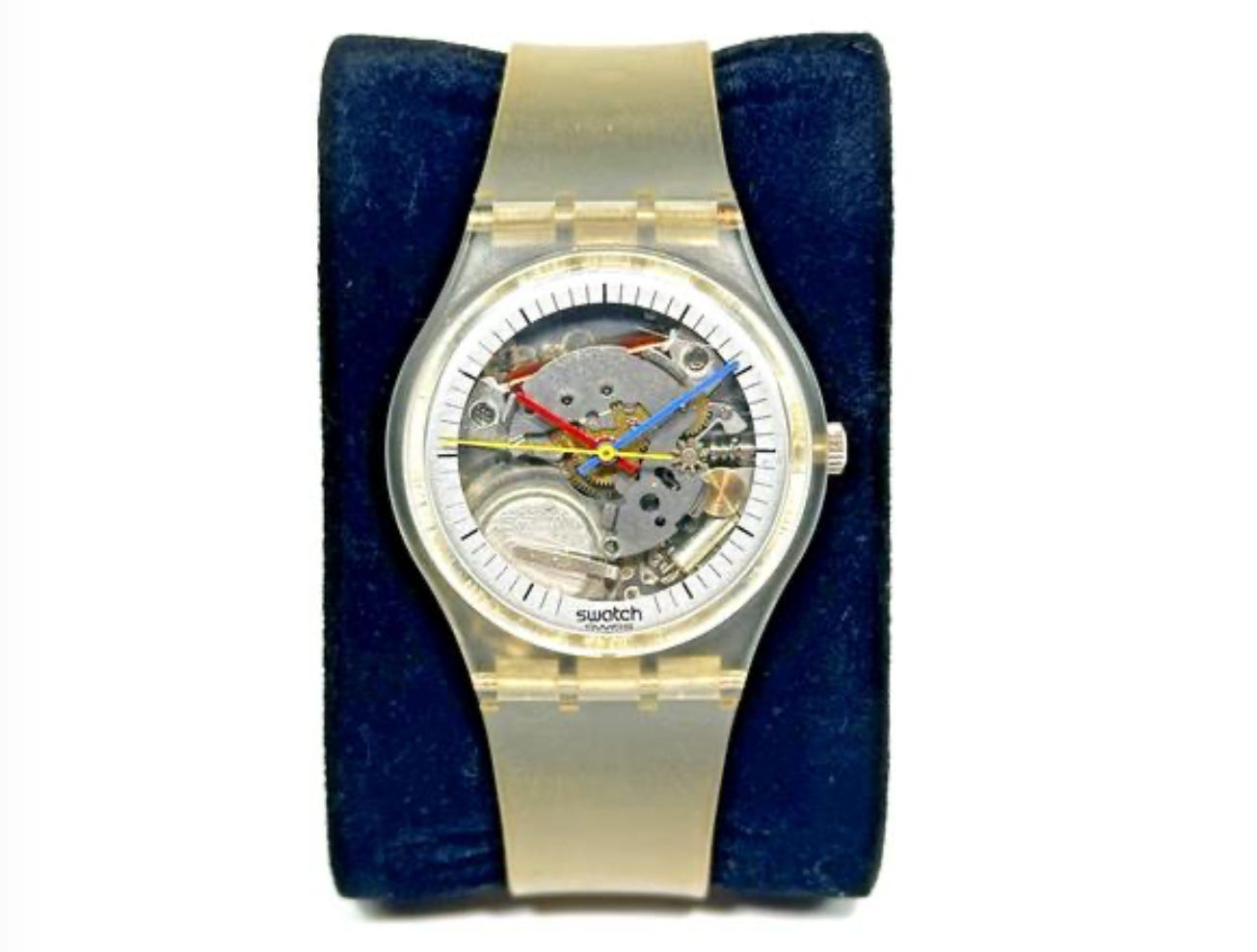
In college while majoring in English, then advertising, and finally art with an emphasis in photography, I wore a cheap, minimalist Timex that I bought at a drugstore. It was in art school in the ‘80s that I discovered Swatch watches through advertisements I saw in Interview Magazine. They were a craze at the time, and, while there were so many to choose from, I went with the “Jellyfish,” which allowed you to see the inner workings.
In the early 1990’s when I finally had a little more money to spend, a buddy of mine and I began searching pawn shops in Pensacola for watches. He was exclusively looking for Rolexes, and I followed his lead. He knew a lot more than I, but when I spotted a Datejust for $350 and decided to get it, my friend said it was WAY too expensive and thought I was crazy when I purchased it. It was just what I was looking for, I could afford it, and I was happy with my purchase, but he continued to make fun of me, saying I could have found one just like it for much cheaper, all the while flaunting his $250 Submariner as a prime example of his prowess. I still have the Datejust, and it was my daily wearer for years until I moved to NYC and spotted a Bulova Accutron Astronaut on the wrist of a photographer I met at a party in his amazing loft. He told me the story of the watch, how the Gemini Program astronauts had worn this same model and that it was powered by a tuning fork. He took it off and handed it to me and told me to put it up to my ear. I could hear the high-pitched hum the tuning fork emitted, and I had to have one. It was beautifully designed for a specific purpose, and even the bracelet was gorgeous yet totally functional and purpose-driven. This watch became my new “grail,” and I made it my mission to find one. This was much harder to accomplish back then, as the internet was just in its toddler stage and there were no eBay or online watch shops yet. Finding one was going to be a challenge. But find one I did, less than a year later, at Brimfield Flea Market in Massachusetts. The dealer wanted $200 and I didn’t even ask for a better price as I whipped out two crisp hundred-dollar bills. I still have that watch as well.
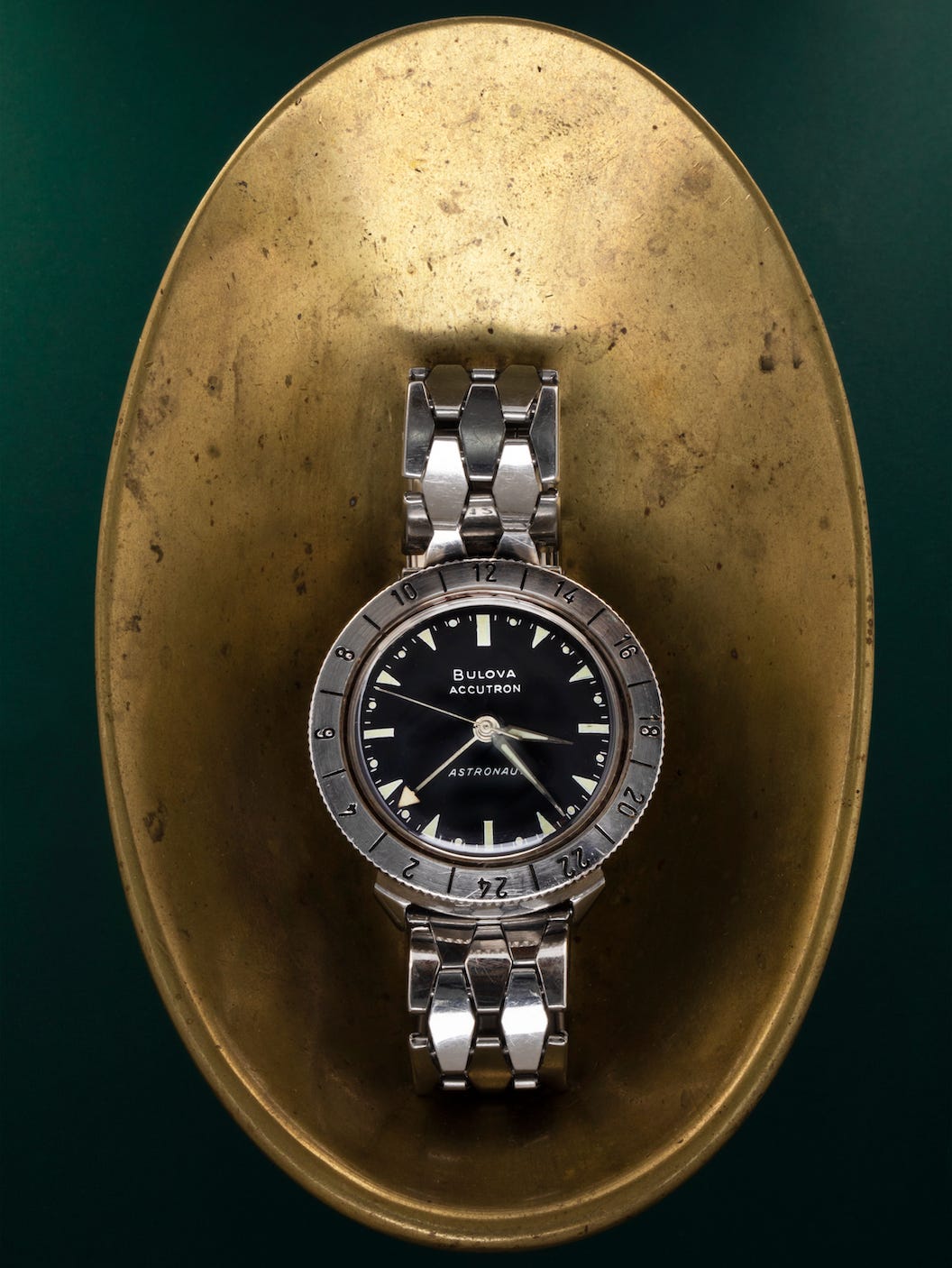
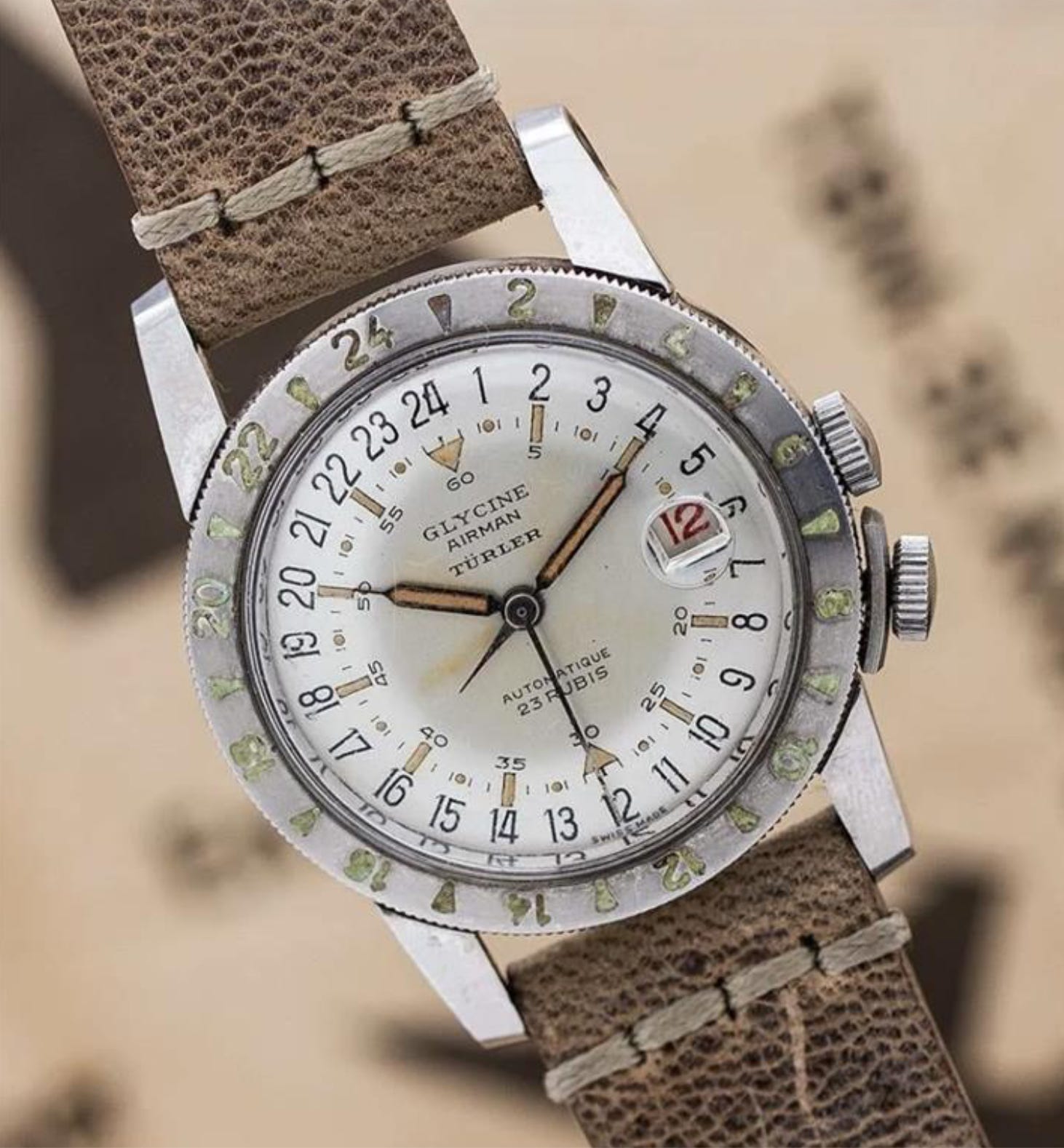
This space-related watch gave me the idea to collect other watches tied to early space travel. I couldn’t yet afford the most famous of the space watches, such as the Omega Speedmaster known as the “Moon Watch,” but I did find super cool and affordable watches that had flown in space, such as the Seiko Pogue, the Glycine Airman, and others.
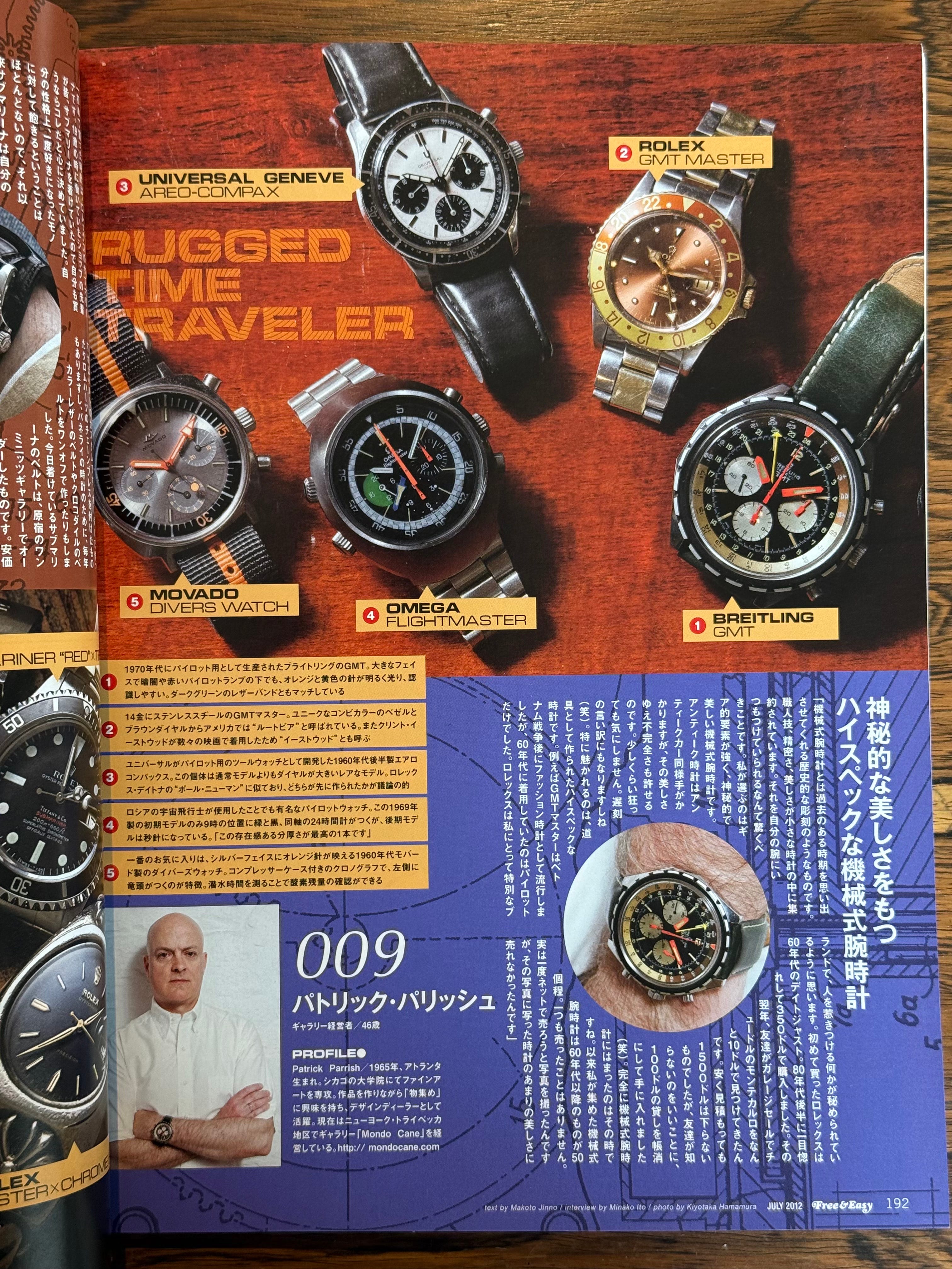
My collecting journey continued as my career in design and art advanced. During the early 2000s, I acquired vintage examples of Movado, Omega, Breitling, Universal Genève, and more Rolex. I was even featured in a 2012 issue of the Japanese magazine Free & Easy with my “Rugged Time Traveler” collection!
As time moved on and I opened more prestigious galleries, I kept buying watches—nothing fancy, always vintage, and always found at the source, whether that be eBay, flea markets, thrift stores, or antique shows. My interest expanded from space, flight, and diving into auto-racing, with a special focus on chronographs. During the pandemic, like a lot of people, I did a deep dive into my collection and started cataloguing my collection and finding period-correct bracelets and other parts if they were needed. With my wife’s advice, I got the collection appraised and was pleasantly surprised by the value, which encouraged me to keep collecting. After we came out of the pandemic I was sitting on 80+ watches and considered a long-standing fantasy of opening a watch shop—something I had come very close to doing in the mid-2000s but that, because of circumstances beyond my control, had never manifested. People always told me I should have a case of watches in my gallery, but that always seemed at odds with my program, and I dismissed the idea.
However, in Patrick Parrish Gallery on Lispenard Street my wife and a close friend encouraged me to use the well-lit subterranean area to make a dedicated shop for selling watches. One Saturday afternoon my wife and I were discussing what to name the shop, and my six-year-old son, who we didn’t think was paying any attention, blurted out, “Sounds like you’re opening a secret watch shop, Dada.” So the Secret Watch Shop was born, and it was an instant success.
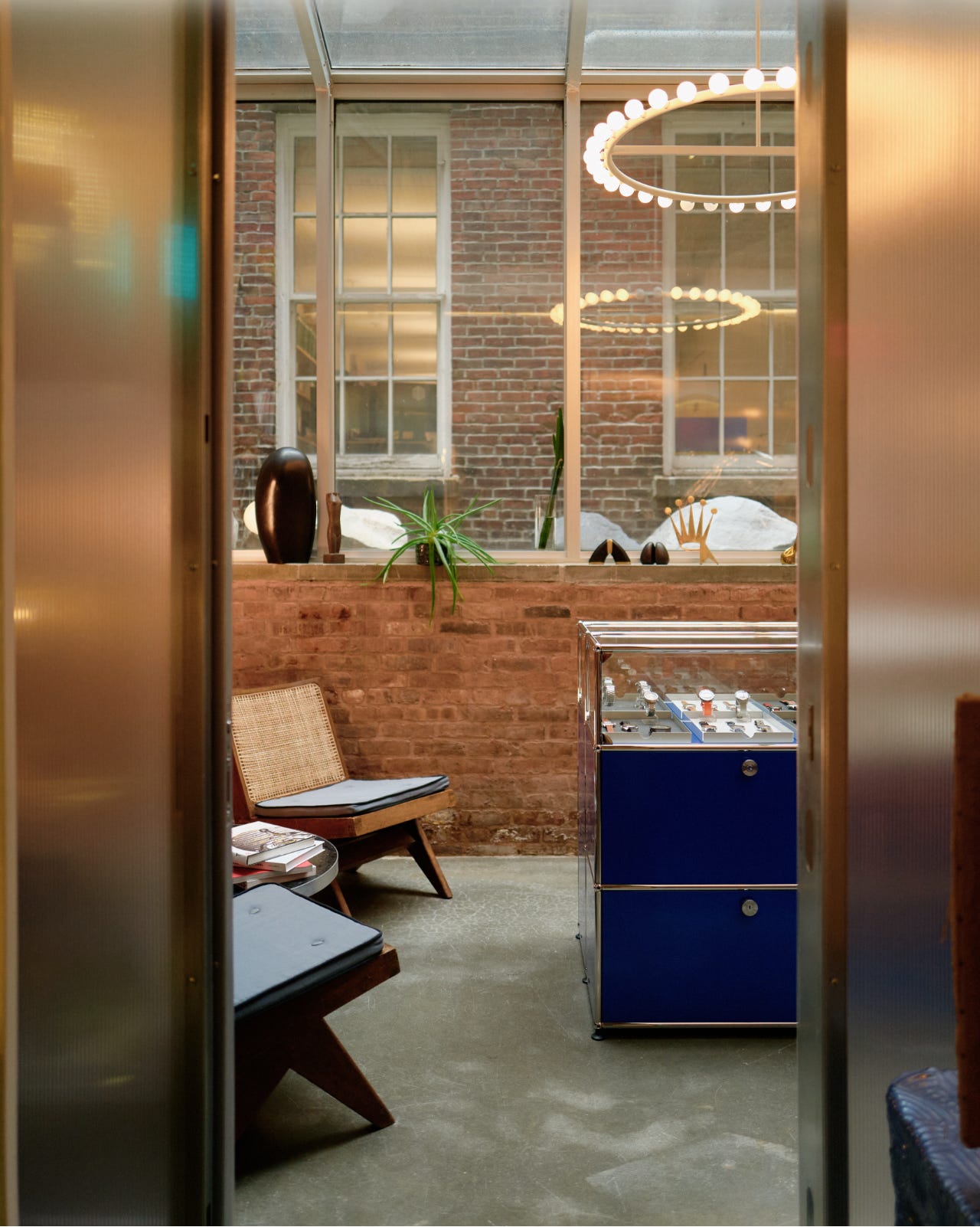
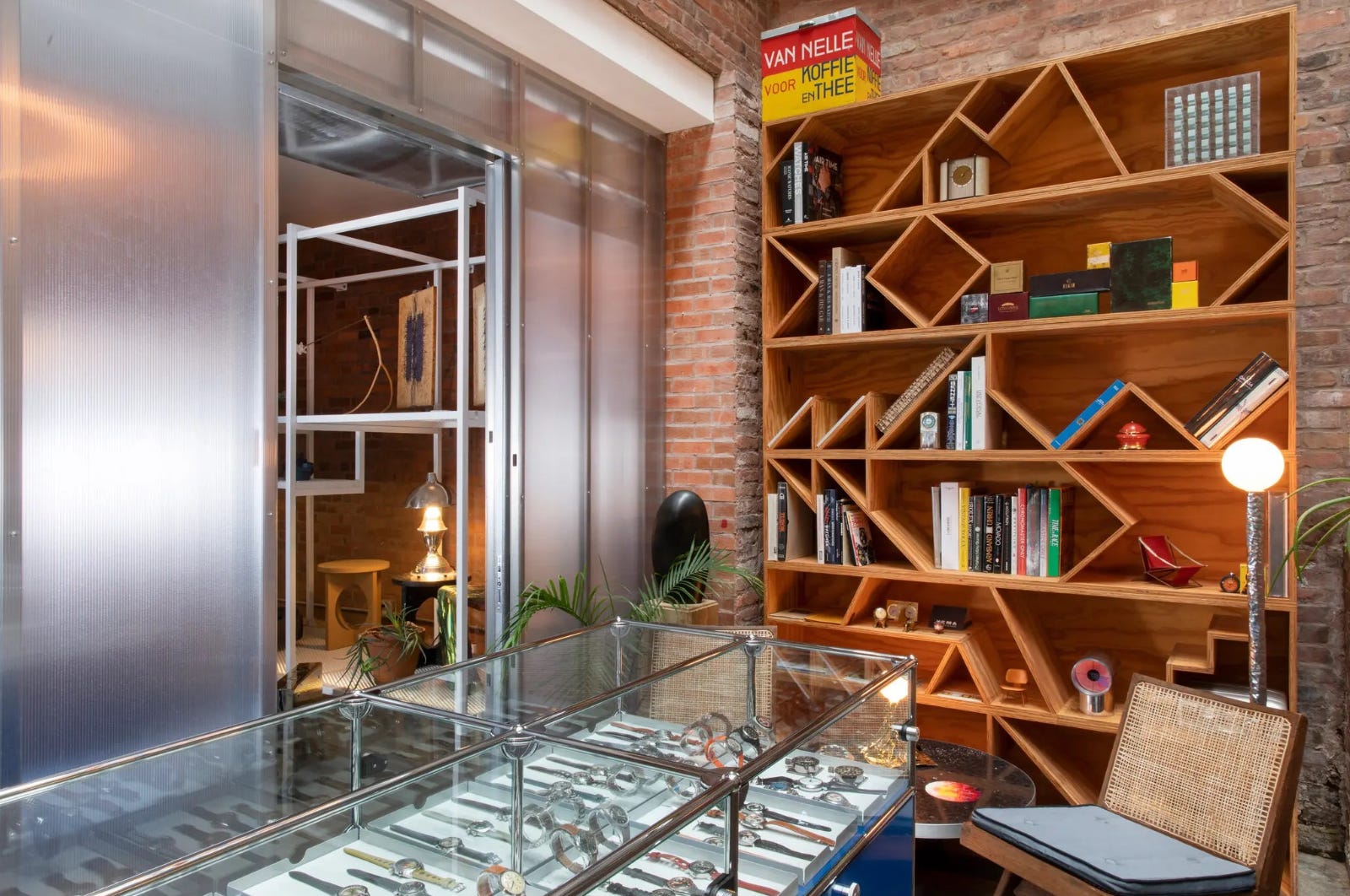
I decided to close my physical gallery in 2023 and moved to a studio in the Brooklyn Navy Yard, where the Secret Watch Shop lives on. It operates by appointment only, and I love having people come by to check out my ever-changing selection of extraordinary horological offerings outside the worlds of Breitling, Omega, and Rolex. Don’t get me wrong, I have those for sale as well, but I tend to stock things that are a little more unusual, with an emphasis on good design.
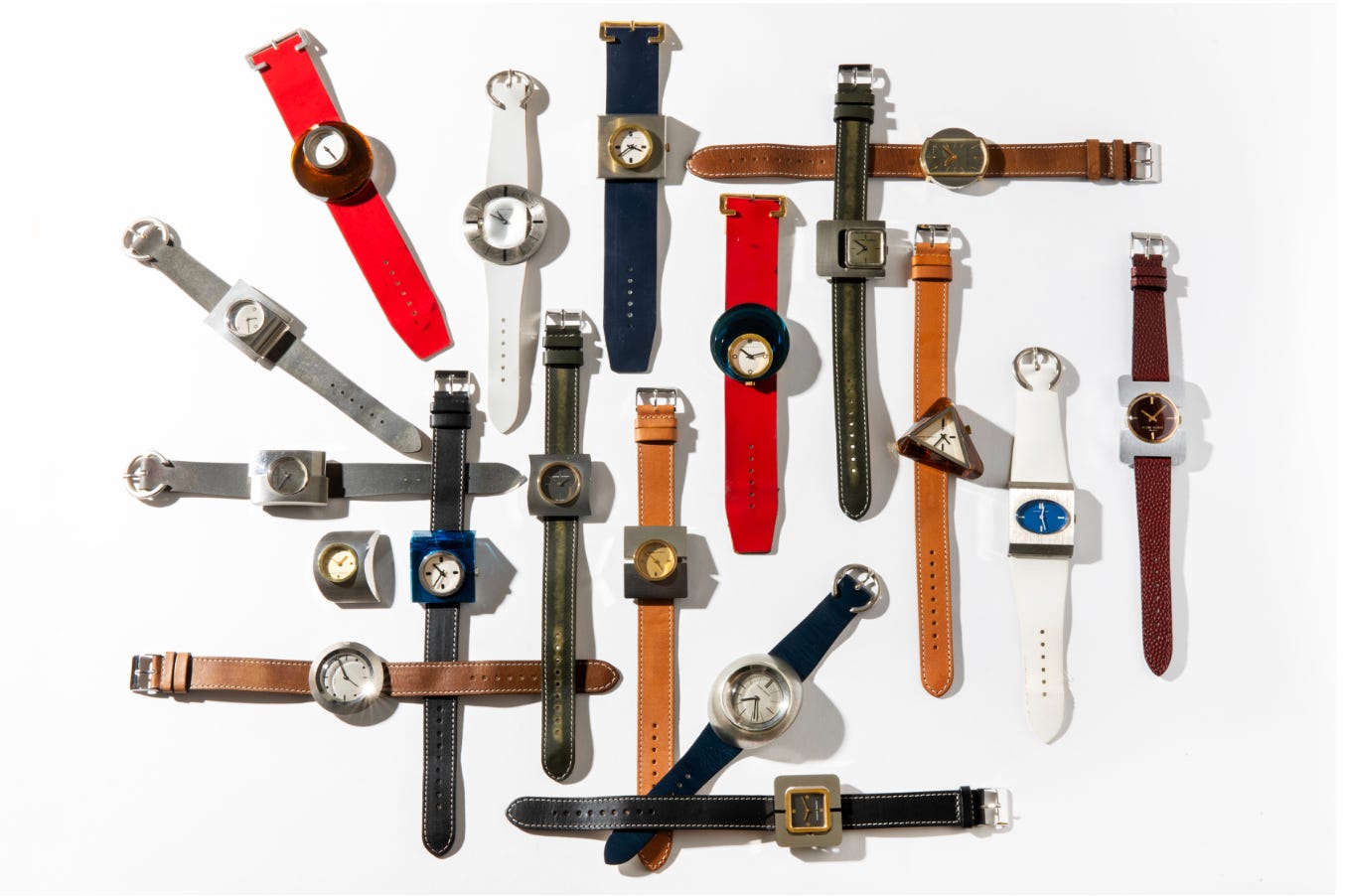
I’m having this sale with Eric Ku and his team at Loupe This because I feel that the experience they have created for acquiring watches is superior to that of most old-school auction houses. That they are dedicated to watches, and watches only, is inspiring.
The watches I’m selling are deeply personal to me, come from my own collection, and have never been offered for sale in the Secret Watch Shop. Most haven’t been seen anywhere but on my wrist, and since I never bought from auction houses or watch shops—virtual or in person—these are all “fresh to market,” as we say. They reflect my quest to find the most honest, best-conditioned watches that I could. Most, if not all, have cases that retain their original finish and geometry. The dials are untouched and gorgeous, the lume original, and when possible, I have found period-correct brand-signed bracelets to enhance their originality and overall tool-watch look. My watch journey is far from over, and the Secret Watch Shop will continue to operate. I find myself exploring earlier chronographs and time-only pieces these days and doubt I will ever get tired of watches. After all, they are design objects you can wear.
The entire Patrick Parrish Collection is up on Loupe This with the first eight lots ending tomorrow, Monday May 25th. Eight watches will end each day through Friday, May 29th. I hope you will check it out and if you have any questions, please let me know. Here are some of my favorites from the sale:

This Yema Bipole was Richard Mille’s very first watch design. It was designed for expeditions to the North and South Poles and can be flipped over for whichever pole you’re exploring. This is an unusual typology and an apt precursor to what Mille would bring to the watch world only ten years later.

This was Heuer’s answer to Rolex’s famous “Pepsi” GMT and I must say, like an incredible cover song, this acknowledges the inspiration but marches to its own beat. A more serious tool watch than the Rolex, this reference is a chronograph, making it a more desirable watch for a pilot. So many similarities and so many differences make this model a strong contender for one of the 20th century’s best GMTs.
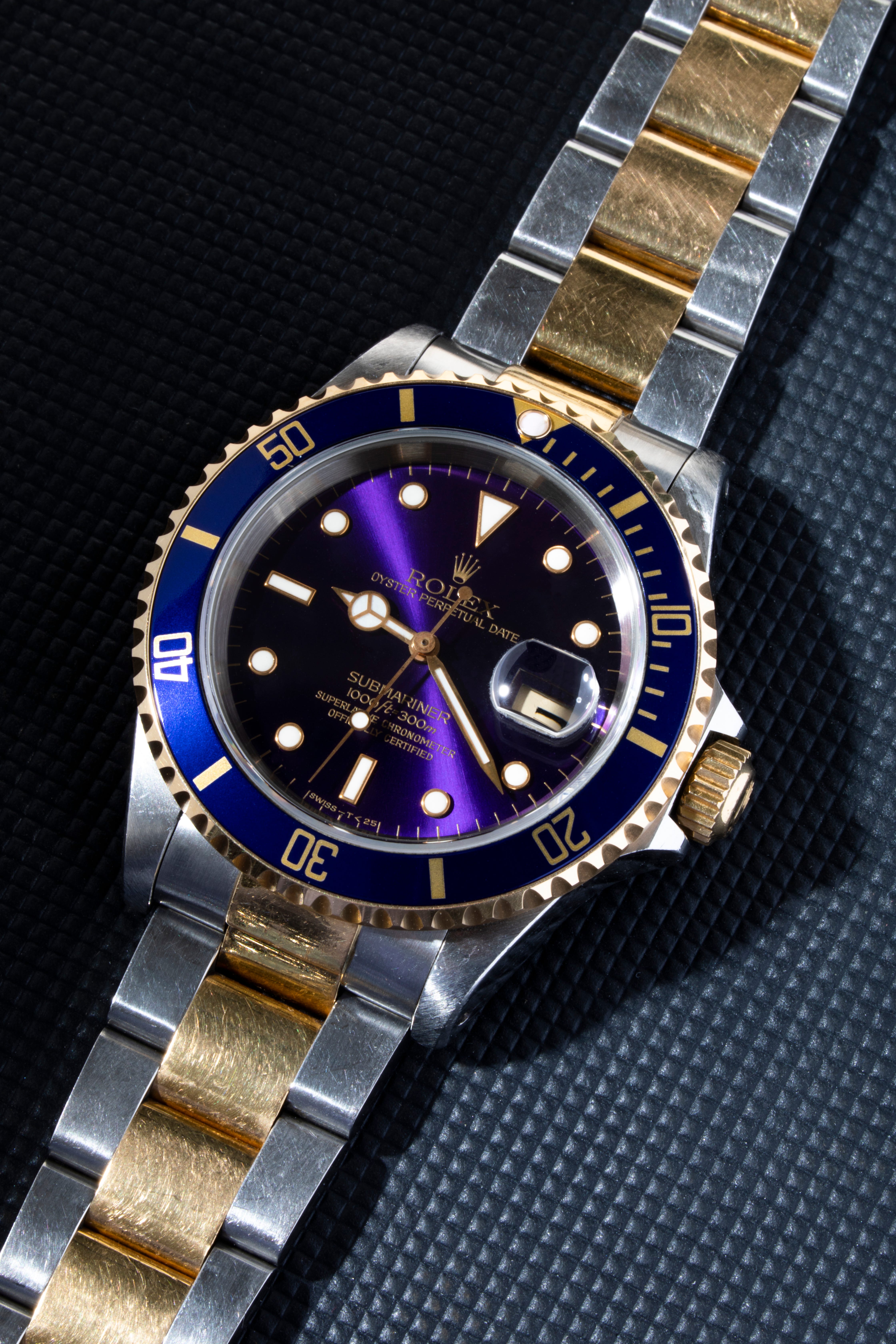
With its vibrant purple tropical dial and unmistakable early-1990s Rolex aesthetic, the “Barney” Submariner stands as one of the most entertaining and visually distinctive variations within modern Submariner collecting.

This reference of Submariner is one of the most iconic and studied vintage Rolex sports watches ever produced, the “Red Sub” perfectly combines collectible nuance, classic dive-watch design, and enduring tool-watch appeal.
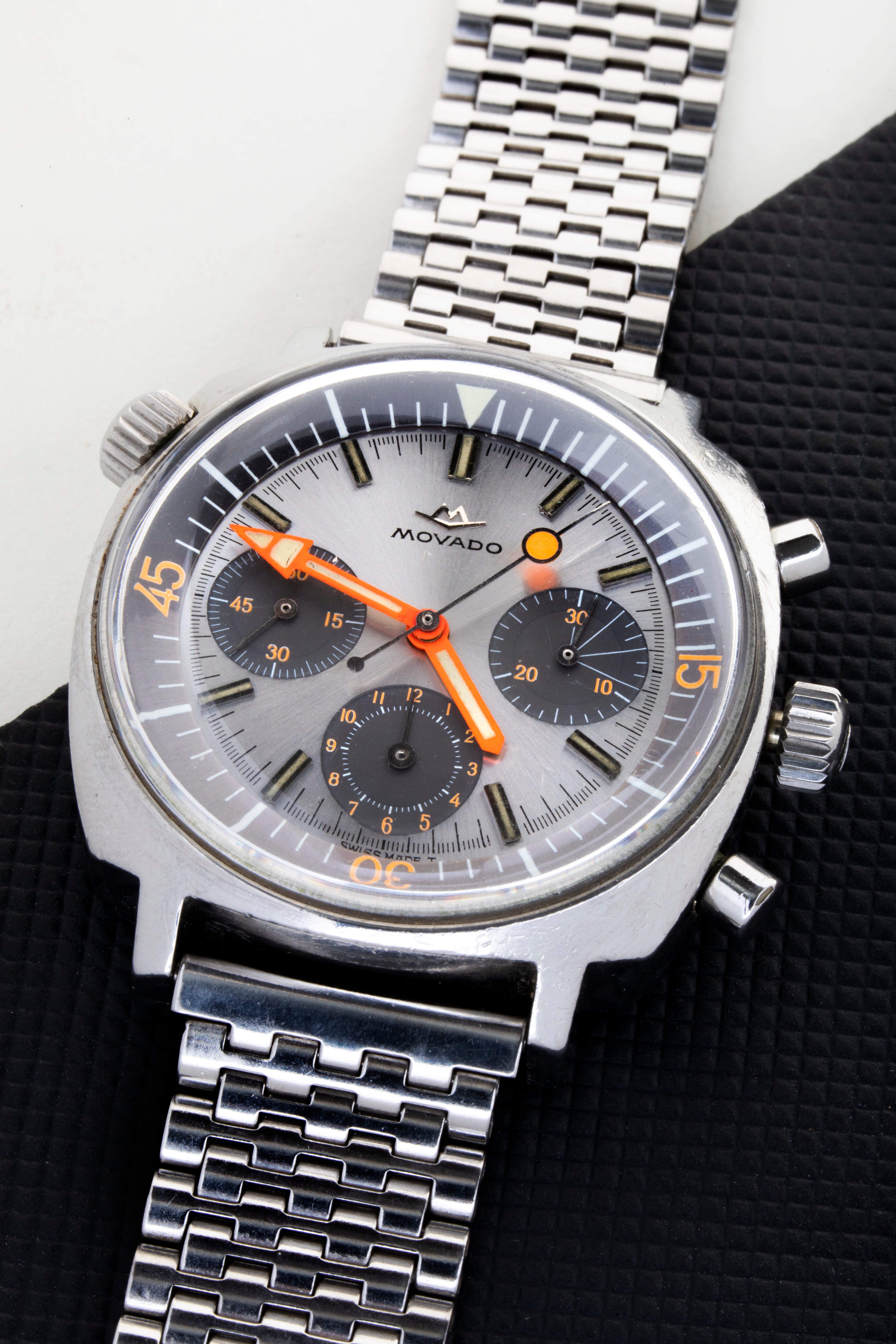
This Movado Super Sub Sea reference is much rarer than its twin model from Zenith. The case design is called “Carree-Cambree" and it’s unique to the Zenith and Movado models in the Super Sub Sea line of chronographs. The colors, the case design, and the audacious placement of the inner bezel crown scream 1960’s design.
All of the rest of the watches are viewable here. Thanks for looking and good luck if you bid!